

April 20, 2020
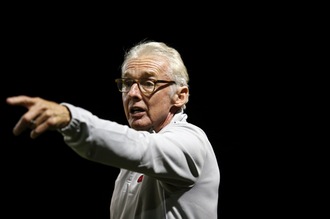
OTP: Coach Jay Martin
|
|
|
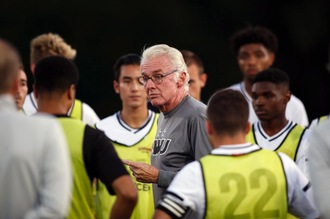
Photos by Paul Vernon, Ohio Wesleyan University
PROFILE
What I do: Head men’s soccer coach and professor of physical education at Ohio Wesleyan University; editor of Soccer Journal
Education: BS in physical education, Springfield College, 1971, with letters in lacrosse and soccer; MA in physiology of exercise, Ohio State University, 1973; PhD in administration of higher education, Ohio State University, 1977
College soccer coaching career: 723 wins—more than any men’s soccer coach in NCAA history—and two NCAA Division III national championships (1998 and 2011) in 43 years at Ohio Wesleyan
Recent honor: Inducted into United Soccer Coaches Hall of Fame Class of 2020
CONVERSATION
College soccer playing career: “I was awful. And I’ve got proof.”
Longevity secret: “I just love what I do. I love coaching and I love teaching. And I have fun. When it ceases to be fun, I’m going to retire.”
My introduction to soccer: “My high school basketball coach [at Hingham High School in Massachusetts] gave me the option of soccer or cross-country to get fit for basketball. I couldn’t see myself running in the woods of New England in my underwear in the fall.”
Why I love the game: “I believe soccer is the last player’s game. When the whistle blows, it’s all on the players. It teaches responsibility, decision-making, and accountability. The challenge as a coach is putting the players in the right situation so they can succeed.”
Why Division III is special: “It’s the last bastion of amateur sport in this country. Winning is important, but it’s how you go about the process. At the D-III level, it’s all about personal relationships. When I was inducted into the Hall of Fame, 85 of my former players came. My wife said, ‘See this, Jay? This is why you’ve done what you’ve done for 43 years.’”
How coaching has changed: “The D-I model of coaching, with an emphasis on wins, has come to D-III. The sideline behavior of coaches is awful now. Why? Because they’re under pressure to win. And relationships among coaches — especially the collegiality aspect — has changed greatly. Coaches never talk to each other on the phone anymore.”
Coaches who influenced me: “My father, John Martin, and my high school basketball coach, John Barker. I don’t let anyone call me ‘coach,’ because I’m not even close to what those guys were.”
If I could change one rule: “I understand why the NCAA substitution rule evolved. We were trying to get more kids involved. But we’ve taken fitness out of the game.”
|
|
|
Person, past or present, I’d like to have dinner with: “[Late UCLA men’s basketball coach] John Wooden. I’ve read all his books. I think he’s a great role model for all coaches.”
When I eventually retire, I look forward to…: “Sitting in the stands and criticizing the guy who takes my place. I’m just kidding, really. I look forward to teaching. I enjoy teaching and preparing to teach.”
How I’m occupying my time during the COVID-19 pandemic: “I’m working six to seven hours a day teaching three online courses. And I’m out here on my deck reading The Age of Football by David Goldblatt, which I’m reviewing for Soccer Journal.”
Comments or feedback? E-mail us.